
Introduction
Fashion changes throughout the year, and choosing the right clothes for different seasons can make a significant difference in both comfort and style. Seasonal Outfit Ideas help people dress appropriately according to weather conditions while maintaining a fashionable appearance. Whether it is the warmth of summer, the freshness of spring, the cozy atmosphere of autumn, or the chilly days of winter, every season offers unique opportunities to create stylish looks.
Many beginners struggle to build outfits that match seasonal trends and weather requirements. Understanding how to combine clothing, colors, accessories, and fabrics for different seasons can simplify the process and improve personal style. With proper planning, anyone can create versatile outfits without spending a fortune on a completely new wardrobe every few months.
This guide explores Seasonal Outfit Ideas in detail and provides practical tips for women who want to look fashionable throughout the year. From casual everyday wear to professional office outfits and special occasion looks, you will discover valuable strategies that make dressing for each season easier. If you are searching for seasonal outfit ideas for ladies or seasonal outfit ideas female fashion enthusiasts can use, this comprehensive guide will help you create stylish and comfortable looks for every season.
What is Seasonal Outfit Ideas?
Seasonal Outfit Ideas refer to clothing combinations and styling suggestions specifically designed for different times of the year. These outfits consider weather conditions, seasonal trends, comfort requirements, and personal style preferences. The goal is to ensure that individuals remain comfortable while looking fashionable regardless of the season.
For example, summer outfits typically focus on lightweight fabrics, breathable materials, and bright colors. Winter outfits prioritize warmth through layering, thicker fabrics, and protective accessories. Spring and autumn offer opportunities to mix layers, experiment with colors, and create versatile looks suitable for changing temperatures. Seasonal outfit ideas for ladies often include dresses, jeans, jackets, skirts, sweaters, and accessories carefully selected to match the season and current fashion trends.
Understanding seasonal fashion allows individuals to maximize their wardrobe, reduce unnecessary purchases, and build timeless outfits that work throughout the year. It also helps create confidence by ensuring clothing choices are both practical and stylish.
Why is Seasonal Outfit Ideas Important?
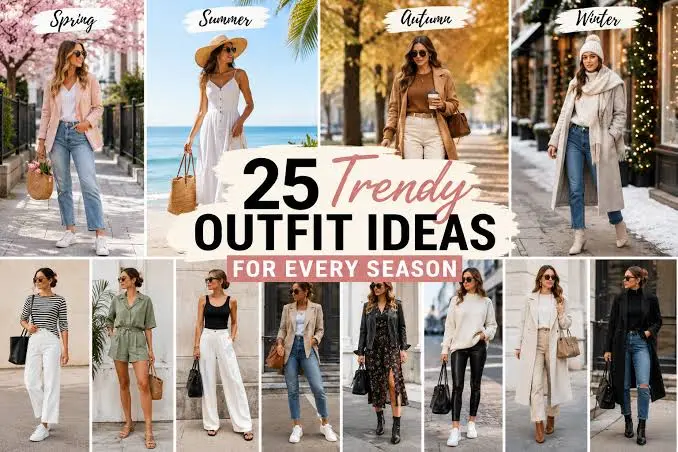
Seasonal Outfit Ideas play a vital role in maintaining comfort, confidence, and personal style. Wearing clothing suitable for the weather helps regulate body temperature and enhances daily comfort. For instance, lightweight cotton outfits prevent overheating in summer, while layered clothing provides warmth during winter.
Fashion is also a form of self-expression. Dressing appropriately for each season allows individuals to showcase creativity and adapt to changing trends without sacrificing practicality. Seasonal outfit ideas female fashion lovers follow often include combinations that balance functionality and elegance, making it easier to look polished in every setting.
Another important reason is wardrobe efficiency. By understanding seasonal fashion, individuals can invest in versatile pieces that can be mixed and matched throughout the year. This approach saves money, reduces clutter, and promotes sustainable fashion habits. Seasonal dressing also improves confidence because wearing suitable and stylish clothing can positively influence mood and self-esteem.
Step-by-Step Guide to Creating Seasonal Outfit Ideas
Step 1: Understand Seasonal Weather Conditions
Before planning outfits, consider the typical weather conditions of each season. Temperature, humidity, rainfall, and wind all influence clothing choices. Knowing the climate helps determine suitable fabrics and layering options.
For warmer seasons, focus on breathable materials like cotton and linen. During colder months, choose wool, fleece, and heavier fabrics that provide insulation. Understanding weather patterns prevents discomfort and helps create practical outfit combinations.
Step 2: Build a Seasonal Wardrobe Foundation
Every season requires a collection of essential clothing items that serve as the foundation of multiple outfits. These wardrobe staples can be mixed and matched to create countless combinations.
For spring, include light jackets, cardigans, jeans, and floral dresses. Summer essentials may include shorts, lightweight tops, sundresses, and sandals. Autumn wardrobes benefit from sweaters, ankle boots, and denim jackets. Winter foundations typically include coats, scarves, boots, and warm knitwear.
Step 3: Choose Appropriate Fabrics
Fabric selection is one of the most important aspects of seasonal fashion. Different materials offer varying levels of comfort depending on the weather.
Spring outfits work well with cotton blends and lightweight knits. Summer calls for linen, cotton, and moisture-wicking fabrics. Autumn outfits often incorporate corduroy, denim, and medium-weight knits. Winter fashion relies on wool, cashmere, fleece, and thermal fabrics to retain warmth.
Step 4: Select Seasonal Colors
Colors significantly impact the overall appearance of an outfit. Seasonal color palettes can enhance style and create harmony with the environment.
Spring typically features pastel shades, soft pinks, lavender, mint green, and sky blue. Summer embraces bright colors such as yellow, white, coral, and turquoise. Autumn is known for earthy tones including rust, mustard, olive, and brown. Winter often highlights deep colors like burgundy, navy, charcoal, and emerald green.
Step 5: Master Layering Techniques
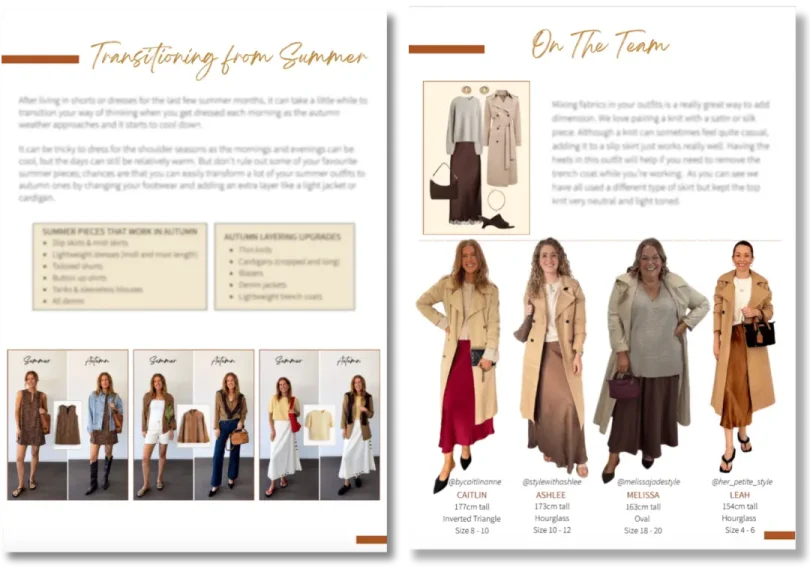
Layering is essential for adapting to changing temperatures and creating visually interesting outfits. It is especially useful during spring and autumn when weather conditions fluctuate throughout the day.
Start with a comfortable base layer, add a middle layer for insulation, and finish with an outer layer for protection. Examples include pairing a T-shirt with a cardigan and lightweight jacket or combining a sweater with a coat and scarf during colder months.
Step 6: Incorporate Seasonal Accessories
Accessories complete an outfit and provide practical benefits. Choosing the right accessories can elevate even the simplest look.
Spring accessories may include lightweight scarves and floral handbags. Summer often features sunglasses, straw hats, and tote bags. Autumn calls for leather boots and statement scarves. Winter accessories include gloves, beanies, and insulated boots.
Step 7: Create Outfits for Different Occasions
A versatile wardrobe should include outfits suitable for casual, professional, and formal settings. Seasonal outfit ideas for ladies should account for various activities and events throughout the year.
Casual outfits prioritize comfort and flexibility. Office attire should maintain professionalism while accommodating seasonal weather. Formal outfits can incorporate elegant fabrics and accessories that align with seasonal trends.
Seasonal Outfit Ideas for Spring
Spring is a season of renewal and mild temperatures. It is the perfect time to introduce fresh colors and lightweight layers into your wardrobe.
Floral dresses paired with denim jackets create a timeless spring look. Light-wash jeans combined with pastel tops offer a casual yet stylish appearance. Midi skirts, lightweight cardigans, and white sneakers provide versatility and comfort for everyday activities.
For professional settings, tailored trousers with blouses in soft shades create a polished outfit. Adding a lightweight trench coat ensures preparedness for unexpected spring showers while maintaining sophistication.
Seasonal Outfit Ideas for Summer
Summer fashion focuses on staying cool while looking stylish. Lightweight fabrics and relaxed silhouettes dominate seasonal trends.
Cotton sundresses, linen shirts, and tailored shorts provide comfort during hot weather. White sneakers, sandals, and straw hats complement summer outfits while adding functionality. Bright colors and tropical prints enhance the seasonal aesthetic.
For work environments, breathable blouses paired with lightweight trousers offer a professional appearance without compromising comfort. Maxi dresses and elegant sandals work well for summer gatherings and outdoor events.
Seasonal Outfit Ideas for Autumn
Autumn is known for rich colors, cozy textures, and versatile layering opportunities. It is one of the most fashionable seasons due to the variety of styling options available.
Sweaters paired with jeans and ankle boots create a classic autumn look. Layering a plaid shirt under a cardigan adds warmth and visual interest. Leather jackets and scarves enhance seasonal outfits while providing protection from cooler temperatures.
Professional autumn outfits often include tailored blazers, knit tops, and dark trousers. Earth-toned accessories complement the season and contribute to a cohesive appearance.
Seasonal Outfit Ideas for Winter
Winter fashion emphasizes warmth without sacrificing style. Layering becomes essential, allowing individuals to stay comfortable in cold weather.
Long wool coats, chunky sweaters, and thermal leggings form the foundation of many winter outfits. Knee-high boots and knitted scarves provide additional insulation while enhancing overall style.
For office wear, turtlenecks paired with tailored trousers and structured coats create sophisticated winter looks. Formal winter outfits may include velvet dresses, elegant coats, and statement accessories that balance warmth and elegance.
Benefits of Seasonal Outfit Ideas
- Enhances comfort throughout the year
- Helps maintain a stylish appearance in every season
- Improves confidence and self-esteem
- Encourages better wardrobe organization
- Supports smart shopping decisions
- Reduces unnecessary clothing purchases
- Makes dressing easier and faster
- Allows better use of existing wardrobe items
- Promotes sustainable fashion practices
- Helps individuals adapt to changing weather conditions
- Creates versatile outfit combinations
- Encourages personal style development
Disadvantages / Risks
- Following seasonal trends can become expensive
- Trend-focused shopping may lead to unnecessary purchases
- Limited wardrobe planning can create outfit shortages
- Weather changes may require additional clothing investments
- Poor fabric choices can reduce comfort
- Excessive trend chasing may overshadow personal style
- Storage requirements increase with seasonal wardrobes
- Fashion trends change quickly and may become outdated
- Some seasonal clothing items are used only a few months per year
- Overbuying can contribute to wardrobe clutter
Common Mistakes to Avoid
One common mistake is ignoring fabric suitability. Wearing heavy fabrics during summer or lightweight fabrics during winter can result in discomfort and reduced practicality. Always consider weather conditions before selecting clothing.
Another mistake is purchasing trendy items without considering versatility. Many people buy seasonal pieces that only work with one outfit. Instead, focus on clothing that can be mixed and matched with existing wardrobe items.
Poor layering techniques can also affect outfit quality. Excessive layers may appear bulky, while insufficient layers may not provide adequate warmth. Learning balanced layering creates both comfort and style.
Many beginners overlook accessories, even though they can transform an outfit. Choosing appropriate seasonal accessories adds personality and enhances overall appearance without requiring a complete wardrobe overhaul.
FAQs
1. What are the best seasonal outfit ideas for ladies?
The best seasonal outfit ideas for ladies include lightweight dresses and sandals for summer, layered sweaters and boots for autumn, floral dresses for spring, and warm coats with knitwear for winter. These combinations balance comfort and style throughout the year.
2. How can beginners create seasonal outfits?
Beginners should start with versatile wardrobe basics, choose season-appropriate fabrics, and focus on layering. Building outfits around essential pieces makes seasonal dressing easier and more affordable.
3. Which fabrics are best for different seasons?
Cotton and linen are ideal for spring and summer due to their breathability. Wool, fleece, and cashmere work best in autumn and winter because they provide warmth and insulation.
4. How many seasonal clothing items should I own?
The number varies depending on lifestyle and climate. A balanced wardrobe typically includes several versatile tops, bottoms, outerwear pieces, and accessories that can be mixed and matched across seasons.
5. Are seasonal outfit ideas female fashion trends only?
No. While many trends influence seasonal dressing, the concept focuses on choosing clothing that suits weather conditions and personal preferences. Timeless fashion pieces remain valuable regardless of current trends.
6. How can I save money while updating seasonal outfits?
Invest in quality basics, shop during seasonal sales, choose versatile pieces, and reuse clothing creatively through layering and accessorizing. This approach minimizes costs while maintaining style.
7. What colors work best for seasonal fashion?
Spring favors pastel shades, summer embraces bright and vibrant colors, autumn highlights earthy tones, and winter often features darker, richer shades. These color palettes complement seasonal environments and trends.
8. Why is layering important in seasonal dressing?
Layering provides flexibility for changing temperatures and creates stylish outfit combinations. It allows individuals to adjust comfort levels throughout the day while enhancing visual appeal.
Expert Tips & Bonus Points
Fashion experts recommend building a capsule wardrobe for each season. A capsule wardrobe contains versatile pieces that work together seamlessly, making outfit creation faster and more efficient.
Investing in quality basics often provides better value than purchasing numerous low-quality trend items. Durable clothing lasts longer and maintains its appearance across multiple seasons.
Pay attention to footwear because shoes significantly impact both comfort and style. Seasonal footwear should balance practicality with aesthetics to support daily activities.
Experiment with accessories to refresh existing outfits. A new scarf, handbag, belt, or pair of shoes can completely transform a familiar look without requiring major purchases.
Keep a balance between trendy and timeless pieces. Classic items provide long-term value, while select trendy additions help maintain a modern appearance.
Organizing clothing by season improves wardrobe management and makes it easier to identify outfit options. Proper storage also extends the lifespan of seasonal garments.
Conclusion
Seasonal Outfit Ideas provide a practical and stylish approach to dressing throughout the year. By understanding weather conditions, selecting appropriate fabrics, choosing seasonal colors, and mastering layering techniques, anyone can create outfits that combine comfort and fashion. Whether you are interested in seasonal outfit ideas for ladies or searching for seasonal outfit ideas female fashion enthusiasts commonly use, the key is to build a versatile wardrobe that adapts to changing seasons.
A thoughtful seasonal wardrobe offers numerous benefits, including improved confidence, better organization, enhanced comfort, and smarter shopping habits. While there are challenges such as changing trends and occasional clothing investments, careful planning can minimize these drawbacks. Focusing on quality basics, timeless styles, and practical accessories allows individuals to maximize their wardrobe without overspending.
Fashion should not be complicated. With the right knowledge and preparation, dressing for spring, summer, autumn, and winter becomes an enjoyable process rather than a daily challenge. By applying the tips and strategies outlined in this guide, beginners can confidently create stylish outfits for every season and develop a personal style that remains fashionable all year long.