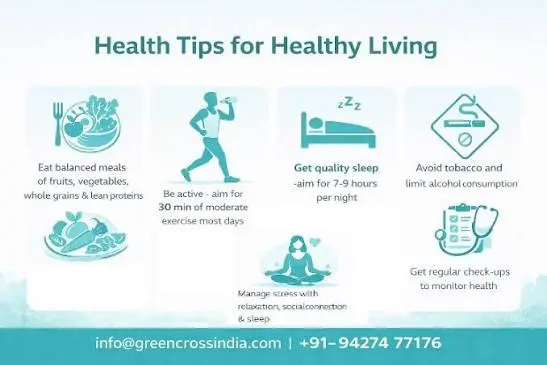

Introduction
Good health is one of the most valuable assets a person can have. It influences every aspect of life, from physical strength and mental well-being to productivity, relationships, and overall happiness. While many people focus on health only when they become sick, maintaining good health should be a daily priority. Small and consistent lifestyle choices can significantly improve quality of life and help prevent many common diseases.
General health tips are practical habits and strategies that support the body’s natural functions and promote long-term wellness. These tips include eating nutritious foods, staying physically active, getting enough sleep, managing stress, drinking enough water, and attending regular health checkups. Even simple actions performed consistently can lead to major improvements in physical and mental health.
For beginners, understanding health basics can feel overwhelming because of the vast amount of information available online. However, healthy living does not require complicated routines or expensive products. The key is to focus on sustainable habits that can be maintained over time. Building a healthy lifestyle step by step makes it easier to stay committed and achieve lasting results.
This comprehensive guide explores the most important general health tips, explains why they matter, provides a detailed step-by-step approach to healthier living, highlights benefits and risks, discusses common mistakes, answers frequently asked questions, and shares expert recommendations for maintaining excellent health.
What is General Health Tips?
General health tips refer to practical recommendations and daily habits designed to improve overall physical, mental, and emotional well-being. These guidelines help individuals maintain a balanced lifestyle, reduce the risk of illness, and enhance quality of life. They are suitable for people of all ages and can be adapted according to personal needs and health goals.
Health tips typically cover essential areas such as nutrition, hydration, exercise, sleep, stress management, hygiene, preventive care, and healthy relationships. Together, these elements create a strong foundation for long-term wellness. Following general health tips does not guarantee perfect health, but it significantly increases the chances of living a healthier and more active life.
Why is General Health Tips Important?
Following general health tips is important because they help prevent many chronic diseases and health complications. Conditions such as obesity, heart disease, diabetes, high blood pressure, and certain cancers are often linked to lifestyle choices. Healthy habits reduce these risks and support the body’s natural ability to function effectively.
Good health also improves energy levels, concentration, emotional stability, and productivity. When people take care of their physical and mental well-being, they are better equipped to handle daily responsibilities and challenges. A healthy lifestyle can increase life expectancy, improve happiness, and reduce healthcare expenses over time.
Detailed Step-by-Step Guide
Step 1: Maintain a Balanced Diet
Nutrition is the foundation of good health. The body requires a variety of nutrients to function properly and maintain optimal performance.
Focus on eating fruits, vegetables, whole grains, lean proteins, and healthy fats. Try to include colorful vegetables in meals because they provide essential vitamins, minerals, and antioxidants. Reduce consumption of processed foods, sugary drinks, and excessive amounts of unhealthy fats.
Portion control is equally important. Eating large portions regularly can contribute to weight gain and digestive issues. Learning to recognize hunger and fullness signals helps maintain a healthy weight and supports better eating habits.
Step 2: Stay Properly Hydrated
Water is essential for nearly every function in the human body. It helps regulate temperature, transport nutrients, remove waste products, and maintain healthy skin.
Most adults should drink sufficient water throughout the day, although individual needs vary depending on age, activity level, and climate. Carrying a reusable water bottle can make hydration more convenient and encourage consistent water intake.
Limiting sugary beverages and excessive caffeine consumption can further improve hydration levels and overall health.
Step 3: Exercise Regularly
Physical activity is one of the most effective ways to improve overall health. Regular exercise strengthens muscles, improves cardiovascular health, enhances flexibility, and supports weight management.
Beginners can start with simple activities such as walking, cycling, swimming, or light jogging. Aim for consistent movement throughout the week rather than focusing solely on intense workouts.
Strength training exercises can also improve bone density, muscle mass, and metabolism. Combining aerobic exercise with resistance training provides comprehensive health benefits.
Step 4: Prioritize Quality Sleep
Sleep plays a critical role in physical recovery, mental performance, and emotional well-being. Poor sleep can negatively affect concentration, mood, immunity, and overall health.
Establishing a consistent sleep schedule helps regulate the body’s internal clock. Going to bed and waking up at the same time each day can improve sleep quality.
Creating a relaxing bedtime routine, reducing screen exposure before sleep, and maintaining a comfortable sleeping environment can contribute to better rest.
Step 5: Manage Stress Effectively
Stress is a natural part of life, but chronic stress can have harmful effects on physical and mental health. Long-term stress may contribute to anxiety, depression, high blood pressure, and weakened immunity.
Healthy stress management techniques include meditation, deep breathing exercises, journaling, spending time in nature, and engaging in hobbies. Physical activity is also an excellent stress reliever.
Learning to identify stress triggers and developing healthy coping strategies can significantly improve overall well-being.
Step 6: Maintain Personal Hygiene
Good hygiene helps prevent infections and promotes overall health. Basic hygiene practices include regular handwashing, daily bathing, oral care, and keeping living spaces clean.
Brushing teeth twice daily and flossing regularly can prevent dental problems and support long-term oral health. Clean habits reduce the spread of germs and contribute to a healthier environment.
Personal hygiene also boosts confidence and supports social interactions.
Step 7: Schedule Regular Health Checkups
Preventive healthcare is essential for early detection of health issues. Regular medical examinations can identify potential problems before they become serious.
Routine screenings, vaccinations, blood pressure checks, and dental visits help maintain overall health and reduce disease risks. Following healthcare professionals’ recommendations ensures timely intervention when necessary.
Being proactive about health can lead to better outcomes and lower medical costs in the long run.
Step 8: Avoid Harmful Habits
Certain habits can significantly damage health and reduce life expectancy. Smoking, excessive alcohol consumption, and recreational drug use are associated with numerous health risks.
Replacing harmful behaviors with healthier alternatives can dramatically improve physical and mental well-being. Seeking professional support may be beneficial for individuals struggling to overcome unhealthy habits.
Making positive lifestyle changes can produce long-term benefits and improve overall quality of life.
Step 9: Build Strong Social Connections
Healthy relationships contribute to emotional well-being and mental health. Spending time with supportive family members and friends provides encouragement, companionship, and a sense of belonging.
Social interactions can reduce feelings of loneliness, improve self-esteem, and help individuals cope with life’s challenges. Maintaining meaningful relationships is an important aspect of overall wellness.
Participating in community activities and social groups can strengthen connections and enhance emotional health.
Step 10: Maintain a Positive Mindset
A positive outlook can have a powerful impact on health and happiness. Positive thinking helps individuals cope with challenges more effectively and reduces the negative effects of stress.
Practicing gratitude, focusing on personal growth, and celebrating small achievements can improve mental well-being. Developing resilience allows individuals to adapt to setbacks and maintain motivation.
Mental wellness is just as important as physical health and should be nurtured regularly.
Benefits of General Health Tips
Following general health tips offers numerous advantages, including:
- Improved physical fitness and strength
- Better heart health
- Stronger immune system
- Enhanced mental well-being
- Increased energy levels
- Better sleep quality
- Improved digestion
- Reduced risk of chronic diseases
- Healthier body weight
- Better mood and emotional balance
- Increased productivity
- Longer life expectancy
- Improved self-confidence
- Better stress management
- Reduced healthcare expenses
Disadvantages / Risks
While general health tips are highly beneficial, certain challenges and risks may arise if they are followed incorrectly.
- Excessive exercise may lead to injuries
- Restrictive diets can cause nutrient deficiencies
- Overconsumption of supplements may create health complications
- Unrealistic health goals can lead to frustration
- Following unverified health advice may be harmful
- Rapid lifestyle changes can be difficult to maintain
- Ignoring professional medical guidance can create risks
- Excessive focus on health may contribute to stress or anxiety
Common Mistakes to Avoid
Many beginners make mistakes when trying to improve their health. Avoiding these common errors can increase the likelihood of long-term success.
One common mistake is attempting drastic changes all at once. Sustainable improvements occur gradually, and small consistent habits are easier to maintain. Trying to completely transform a lifestyle overnight often leads to burnout and disappointment.
Another mistake is neglecting sleep while focusing only on diet and exercise. Sleep is essential for recovery and overall health. Many people also underestimate the importance of hydration and stress management. Ignoring mental health, skipping medical checkups, relying on fad diets, and expecting immediate results can slow progress and reduce motivation.
FAQs
1. What are the most important general health tips?
The most important health tips include eating a balanced diet, exercising regularly, staying hydrated, getting enough sleep, managing stress, maintaining hygiene, and attending regular health checkups. Together, these habits support overall wellness and disease prevention.
2. How much exercise should beginners do?
Beginners can start with moderate physical activity such as walking for 20 to 30 minutes daily. Gradually increasing duration and intensity helps build fitness safely and sustainably.
3. Why is sleep important for health?
Sleep allows the body to repair tissues, strengthen the immune system, process information, and regulate hormones. Poor sleep can negatively affect physical and mental performance.
4. How much water should a person drink daily?
Water requirements vary based on individual needs, activity levels, and climate conditions. Drinking water regularly throughout the day and responding to thirst signals helps maintain proper hydration.
5. Can healthy habits prevent diseases?
Healthy habits can significantly reduce the risk of many chronic diseases, including heart disease, diabetes, obesity, and high blood pressure. While they cannot eliminate all risks, they greatly improve overall health outcomes.
6. How can stress affect physical health?
Chronic stress may contribute to headaches, digestive problems, sleep disturbances, weakened immunity, high blood pressure, and mental health concerns. Managing stress effectively supports overall wellness.
7. Is mental health part of general health?
Yes, mental health is a vital component of overall health. Emotional well-being influences thoughts, behaviors, relationships, and physical health. Taking care of mental health is essential for a balanced life.
8. How long does it take to see health improvements?
Results vary depending on individual circumstances and lifestyle changes. Some improvements, such as increased energy and better sleep, may occur within weeks, while long-term benefits often develop over months and years.
Expert Tips & Bonus Points
Health experts recommend focusing on consistency rather than perfection. Small daily improvements are often more effective than occasional extreme efforts. Developing routines helps healthy habits become automatic and sustainable over time.
Meal planning, keeping a water bottle nearby, scheduling exercise sessions, and maintaining a sleep schedule can simplify healthy living. Tracking progress through journals or mobile applications may increase motivation and accountability.
Listening to your body is another valuable strategy. Recognizing signs of fatigue, stress, dehydration, or illness allows for timely adjustments and prevents larger problems. Consulting healthcare professionals for personalized guidance can also improve health outcomes.
Bonus points include spending time outdoors, limiting screen time, practicing gratitude, learning new skills, and maintaining a healthy work-life balance. These habits contribute to both physical and mental wellness.
Conclusion
Good health is not achieved through a single action but through a collection of daily habits that support physical, mental, and emotional well-being. General health tips provide a practical roadmap for creating a healthier lifestyle and reducing the risk of illness. By focusing on nutrition, hydration, exercise, sleep, stress management, hygiene, preventive care, and positive relationships, individuals can build a strong foundation for long-term wellness.
The journey toward better health does not require perfection. Small, consistent improvements often produce the most meaningful and lasting results. Every healthy choice, no matter how minor it may seem, contributes to overall well-being and future health outcomes. Whether it is drinking more water, taking a daily walk, improving sleep habits, or managing stress more effectively, each step matters.
For beginners, the key is to start simple and remain committed. Building healthy habits gradually makes them easier to maintain and integrate into daily life. Over time, these positive behaviors become part of a sustainable lifestyle that supports energy, happiness, productivity, and longevity.
Investing in health today can lead to a better tomorrow. By following the principles outlined in this guide, anyone can take meaningful steps toward a healthier, more fulfilling, and balanced life.