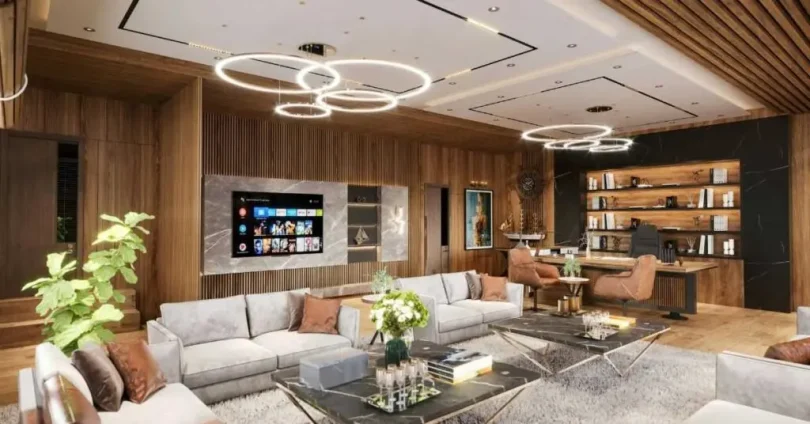

Introduction
Home is more than just a place to live. It is where families connect, individuals relax, and memories are created. A well-designed home can improve comfort, productivity, and overall quality of life. Whether you live in a small apartment, a large house, or a shared living space, thoughtful home and living ideas can transform your environment into a place that feels welcoming and functional.
Many beginners believe that creating a beautiful home requires a large budget or professional interior design skills. In reality, simple improvements such as organizing rooms, choosing suitable furniture, adding decorative elements, and improving lighting can make a significant difference. The key is understanding how each part of your home contributes to your daily lifestyle and making intentional choices that enhance comfort and efficiency.
Home and living ideas continue to evolve as homeowners seek practical solutions that combine beauty with functionality. From smart storage systems and energy-efficient appliances to cozy décor and multi-purpose furniture, modern living focuses on maximizing space while maintaining style. These ideas are suitable for people with different budgets, preferences, and living arrangements.
This comprehensive guide explores everything beginners need to know about home and living ideas. You will learn what they are, why they matter, how to implement them step by step, their benefits, common mistakes to avoid, expert tips, and answers to frequently asked questions. By the end, you will have the knowledge and confidence to create a home that reflects your personality while supporting your daily needs.
What is Home and Living Ideas?
Home and living ideas refer to practical and creative concepts used to improve the appearance, comfort, functionality, and organization of living spaces. These ideas encompass interior design, furniture arrangement, storage solutions, home maintenance, décor enhancements, and lifestyle improvements that contribute to a better living experience.
The purpose of home and living ideas is not only to make a home look attractive but also to ensure it meets the needs of the people living in it. Effective home improvement strategies focus on creating spaces that are comfortable, organized, efficient, and visually appealing. Whether it involves redesigning a room, adding storage, improving lighting, or incorporating natural elements, home and living ideas help transform ordinary spaces into enjoyable and productive environments.
Why is Home and Living Ideas Important?
A thoughtfully designed home has a direct impact on physical comfort, emotional well-being, and daily productivity. The environment in which people live influences their mood, stress levels, and overall happiness. A cluttered and poorly organized home can create frustration, while a clean and functional space promotes relaxation and peace of mind.
Home and living ideas are important because they help individuals maximize available space, improve organization, increase property value, and create a healthier living environment. They also encourage efficient use of resources, reduce maintenance issues, and enhance the overall lifestyle of household members. By applying practical home improvement strategies, homeowners can enjoy a more comfortable and satisfying living experience without making major structural changes.
Detailed Step-by-Step Guide
Step 1: Assess Your Current Living Space
Before making changes, evaluate your home carefully. Walk through each room and identify areas that need improvement. Consider factors such as lighting, furniture placement, storage availability, color schemes, and functionality.
Take notes about what works well and what needs attention. Understanding your space allows you to create a realistic improvement plan that addresses actual needs rather than temporary trends.
Step 2: Set Clear Goals
Determine what you want to achieve with your home improvement efforts. Your goals may include creating a more organized living room, improving kitchen efficiency, increasing storage space, or designing a relaxing bedroom.
Clear goals help prioritize tasks and prevent unnecessary spending. They also ensure that every improvement contributes to your overall vision for the home.
Step 3: Create a Budget
Budget planning is essential for successful home improvements. Calculate how much money you can comfortably spend and allocate funds to different areas.
Include expenses for furniture, décor, paint, storage solutions, lighting, and maintenance. A well-planned budget helps avoid overspending while ensuring important improvements are completed.
Step 4: Declutter Every Room
Decluttering is one of the most effective ways to improve a home without spending much money. Remove items that are no longer needed, damaged, or rarely used.
Sort belongings into categories such as keep, donate, recycle, or discard. An organized home feels larger, cleaner, and more inviting.
Step 5: Improve Lighting
Lighting plays a crucial role in the appearance and functionality of a home. Maximize natural light by keeping windows clean and using light-colored curtains.
Add layered lighting through ceiling fixtures, table lamps, floor lamps, and accent lights. Proper lighting enhances comfort, improves visibility, and creates a welcoming atmosphere.
Step 6: Choose Functional Furniture
Furniture should balance comfort, style, and practicality. Select pieces that fit the size of your room and support your lifestyle needs.
For smaller spaces, consider multi-functional furniture such as storage ottomans, foldable tables, and sofa beds. These options maximize usability while minimizing clutter.
Step 7: Optimize Storage Solutions
Storage is essential for maintaining an organized home. Utilize shelves, cabinets, baskets, storage boxes, and under-bed compartments.
Vertical storage solutions help maximize limited space while keeping frequently used items accessible. Effective storage systems reduce clutter and improve overall efficiency.
Step 8: Select a Consistent Color Scheme
Colors influence mood and visual harmony. Choose a color palette that reflects your personal style and complements existing furniture.
Neutral colors create a calm and spacious appearance, while accent colors add personality and visual interest. Consistency throughout the home promotes a cohesive look.
Step 9: Add Decorative Elements
Decorative accessories personalize your living space and make it feel more inviting. Consider adding artwork, throw pillows, rugs, mirrors, candles, and decorative plants.
Avoid overcrowding rooms with excessive decorations. Focus on meaningful and visually balanced elements that enhance the overall design.
Step 10: Incorporate Natural Elements
Nature-inspired décor creates a fresh and relaxing environment. Indoor plants improve air quality while adding texture and color to living spaces.
Wood, stone, bamboo, and natural fabrics contribute warmth and authenticity. These elements help create a comfortable and welcoming atmosphere.
Step 11: Improve Room Functionality
Arrange furniture to support daily activities and improve movement throughout the room. Ensure pathways remain clear and accessible.
Design each room according to its primary purpose. For example, bedrooms should encourage relaxation, while home offices should support productivity and focus.
Step 12: Maintain Regular Cleaning Routines
A beautiful home requires consistent maintenance. Establish daily, weekly, and monthly cleaning schedules to keep spaces tidy and functional.
Regular cleaning prevents dirt accumulation, preserves furniture quality, and contributes to a healthier living environment.
Benefits of Home and Living Ideas
- Creates a more comfortable and enjoyable living environment
- Improves home organization and reduces clutter
- Enhances visual appeal and interior aesthetics
- Increases property value over time
- Supports better mental well-being and relaxation
- Maximizes available space efficiently
- Improves productivity in work and study areas
- Encourages healthier lifestyle habits
- Reduces stress caused by disorganization
- Helps save money through efficient planning
- Enhances family interaction and social gatherings
- Improves safety by reducing hazards
- Supports energy efficiency and sustainability
- Allows greater personalization and self-expression
- Makes home maintenance easier and more manageable
Disadvantages / Risks
- Initial improvement costs may exceed expectations
- Poor planning can lead to wasted resources
- Following trends blindly may result in outdated designs
- Overdecorating can make spaces feel crowded
- Large projects may require significant time commitments
- DIY mistakes can increase repair expenses
- Inadequate budgeting may cause financial stress
- Excessive furniture can reduce functionality
- Low-quality materials may require frequent replacement
- Renovation projects can temporarily disrupt daily routines
Common Mistakes to Avoid
One common mistake is purchasing furniture before measuring available space. Oversized furniture can make rooms feel cramped and reduce movement. Always measure carefully and consider room dimensions before making purchases.
Another mistake is focusing solely on appearance rather than functionality. While aesthetics are important, a home should also support daily activities comfortably. Choose solutions that balance beauty with practicality.
Many homeowners overlook lighting when designing interiors. Insufficient lighting can make even beautifully decorated spaces feel uninviting. Use a combination of natural and artificial lighting sources to create a balanced environment.
Ignoring storage needs is another frequent error. Without adequate storage, clutter quickly accumulates and reduces the effectiveness of home improvements. Incorporate storage solutions into every room whenever possible.
Following every design trend can also create inconsistency throughout the home. Instead of constantly changing styles, develop a timeless design foundation and introduce trends through smaller decorative elements.
Finally, neglecting maintenance can diminish the impact of improvements. Regular cleaning, repairs, and organization are necessary to preserve the beauty and functionality of any living space.
FAQs
1. What are home and living ideas?
Home and living ideas are practical concepts and strategies used to improve the comfort, appearance, organization, and functionality of residential spaces. They include décor, furniture selection, storage solutions, and home improvement techniques.
2. How can I improve my home on a small budget?
Start by decluttering, rearranging furniture, repainting walls, improving lighting, adding plants, and using affordable decorative accessories. Small changes often create noticeable improvements without requiring large investments.
3. What colors are best for a relaxing home environment?
Soft neutral colors such as beige, cream, light gray, and pastel shades are commonly used to create calm and relaxing environments. These colors also make rooms appear larger and brighter.
4. How can I make a small room look bigger?
Use light colors, mirrors, multifunctional furniture, vertical storage, and adequate lighting. Reducing clutter and maintaining open floor space can also make small rooms feel more spacious.
5. Why is organization important in home design?
Organization improves efficiency, reduces stress, enhances cleanliness, and makes daily tasks easier. Well-organized spaces also contribute to a more attractive and functional living environment.
6. Are indoor plants beneficial for homes?
Yes. Indoor plants improve air quality, add natural beauty, reduce stress, and create a refreshing atmosphere. They are a simple and affordable way to enhance any room.
7. How often should I update my home décor?
Minor updates can be made seasonally or annually. Major design changes are usually only necessary when personal preferences, lifestyle needs, or home conditions significantly change.
8. What is the most important room to improve first?
The answer depends on your priorities. However, living rooms, kitchens, and bedrooms often have the greatest impact on comfort and daily living, making them excellent starting points.
Expert Tips & Bonus Points
Professional designers recommend starting with functionality before focusing on decoration. A room that works well naturally feels more comfortable and attractive.
Invest in quality furniture for frequently used areas. Durable pieces often provide better long-term value than inexpensive alternatives that require frequent replacement.
Use mirrors strategically to reflect light and create the illusion of larger spaces. This technique is especially effective in smaller homes and apartments.
Introduce layers of texture through rugs, cushions, curtains, and blankets. Texture adds depth and warmth without requiring major design changes.
Consider energy-efficient upgrades such as LED lighting, smart thermostats, and insulated curtains. These improvements enhance comfort while reducing utility costs.
Maintain consistency in design elements throughout the home. Coordinated colors, materials, and decorative styles create a unified and harmonious appearance.
Create dedicated spaces for specific activities such as reading, working, exercising, or relaxing. Clearly defined areas improve organization and support daily routines.
Regularly review your home setup and make adjustments as your lifestyle changes. A flexible approach ensures that your living environment continues to meet your evolving needs.
Conclusion
Home and living ideas provide practical ways to transform ordinary spaces into comfortable, functional, and visually appealing environments. A well-designed home supports daily activities, promotes relaxation, enhances productivity, and contributes to overall well-being. The best part is that meaningful improvements do not always require large budgets or extensive renovations. Simple changes such as decluttering, improving lighting, optimizing storage, and selecting appropriate furniture can create significant positive impacts.
For beginners, the key is to start with clear goals and focus on gradual improvements. Assess your current space, identify priorities, establish a realistic budget, and implement changes step by step. Consistency, organization, and thoughtful planning are more important than expensive décor or following temporary design trends.
By applying the strategies discussed in this guide, homeowners can create spaces that reflect their personalities while meeting practical needs. From enhancing comfort and organization to increasing property value and promoting healthier lifestyles, the benefits of home and living ideas are substantial and long-lasting.
A beautiful home is not defined by size or cost but by how effectively it supports the people who live there. With careful planning, creativity, and regular maintenance, anyone can create a living environment that feels welcoming, functional, and inspiring every day.